Skip to content
In the fast-paced world of gaming and software development, intellectual property protection is crucial to safeguarding a company’s brand, reputation, and products. Trade marks play an essential role in this protection, offering legal recourse against unauthorised use and imitation. This article explores the significance of trade marks in gaming and software, their historical context, classifications, costs in the UK, types of trade marks that can be filed, and the international landscape of trade mark protection.
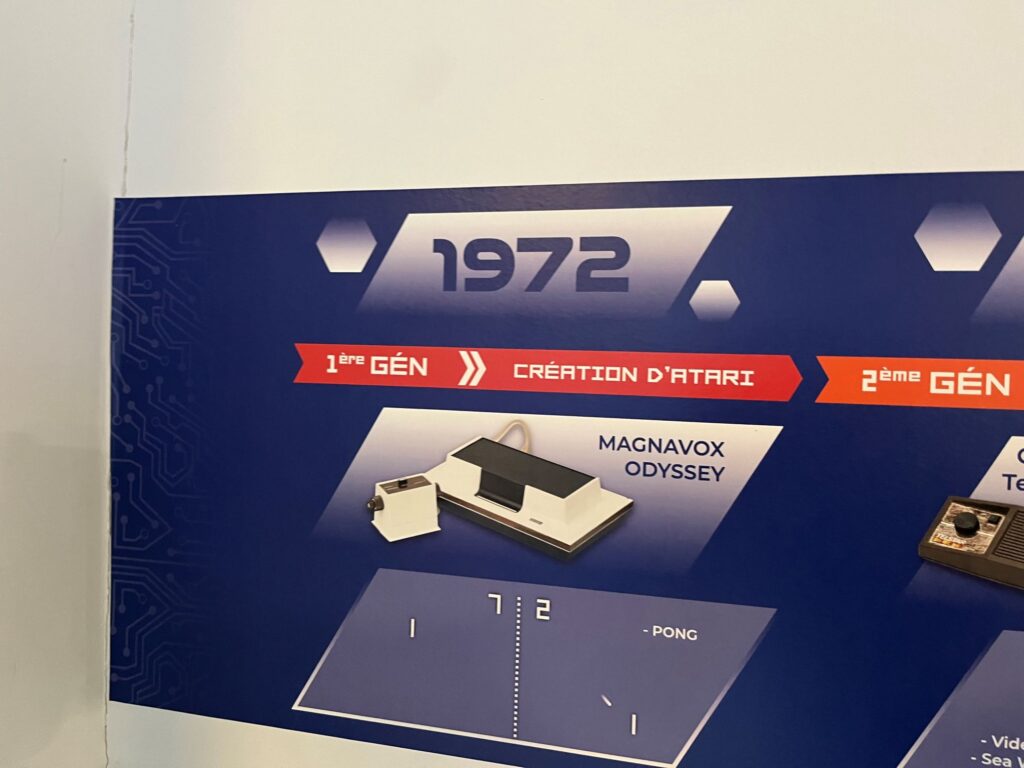
A Brief History: The Evolution of Trade Marks in Gaming and Software
The gaming and software industries have come a long way since the early days of pioneers like Atari and Nintendo. Atari, one of the first major video game companies, revolutionized home entertainment in the 1970s with games like Pong and its Atari 2600 console. As one of the earliest major brands in gaming, Atari’s trade marks became synonymous with innovation, fun, and a new form of interactive media.
Similarly, Nintendo, founded in 1889 as a playing card company, transitioned into the video game industry in the 1980s with the release of Donkey Kong and the Nintendo Entertainment System (NES). Nintendo’s trade marks, from Mario to the NES logo, have become cultural icons. Protecting these brands has been key to maintaining the company’s position as a leader in the gaming industry. The value of Nintendo’s trade marks exemplifies how branding and intellectual property rights are crucial to longevity and success in a competitive market.
As the industry evolved, so did the need for trade marks to protect more than just logos and names. In the modern era, software and gaming trade marks extend to sound marks, mascots, and even unique gameplay mechanics.
michael@trademarkroom.com