Skip to content
For a shape to be registered as a trademark, the product’s shape must not be purely functional, have shown distinctiveness through use, or be sufficiently unique to distinguish the goods from competitors or similar brands. One of the landmark recent cases is the KitKat Shape Case (Nestlé v. Mondelez International), which has helped refine the criteria needed for a shape to be trademarked. Nestle, the creator of the well-known chocolate bar brand KitKat, attempted to register the shape of their four-finger KitKat bar. This specific KitKat bar was a standard rectangular bar; but instead of just having two snappable fingers, it now had four. KitKat stated that this was a distinctive characteristic as KitKat chocolate is a widely known name and brand, and that most people would instantly recognise it.
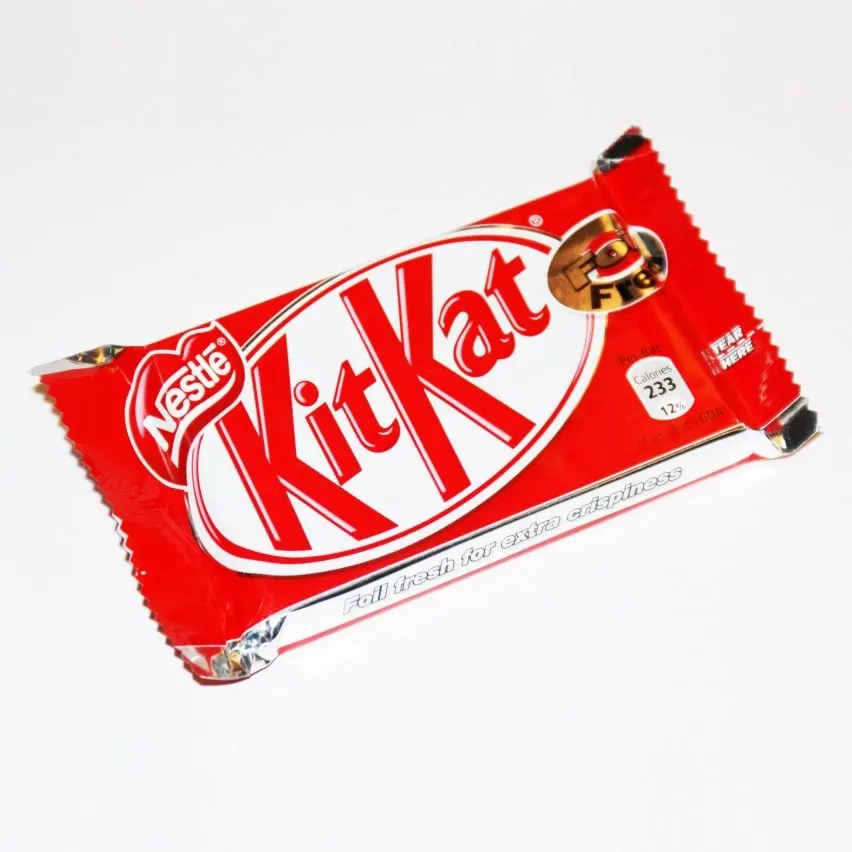
Picture of the KitKat four fingered bar
A rival company, Mondelez International, creator of Cadbury, opposed this application to register the shape of the bar as a trademark and argued that the shape of the KitKat four-fingered bar is purely functional and can not be registered as a trademark. This opposition by Cadbury brought into question whether or not the four-finger KitKat bar shape is distinctive, which is a key requirement necessary for a trademark to be accepted. Furthermore, it is also vital that in trademarking a shape, it must not create a monopoly or confuse the average customer. For example, it would be extremely difficult to trademark a standard water bottle shape, as this would prevent the other water bottle brands from using a standard design that is widely used. If this hypothetical water bottle shape trademark were to be accepted, the company would own a monopoly on water bottle shapes, which would lead to a lack of competitor brands, consequently resulting in higher prices for the consumers.
For this KitKat bar to be considered distinctive, Nestle had to show that the shape of the four-fingered KitKat bar was distinctive and functions as a badge of origin that consumers will be able to instantly recognise as a KitKat bar, unlike other chocolate bars. Initially, the trademark application was rejected by the High Court due to Cadbury’s opposition to it. Nestle argued that it should be considered distinctive even without the red and white signature KitKat packaging and the word KitKat embedded into the chocolate on the KitKat bar. Nestle also argued that the physical bar had acquired distinctive character as it cited a survey in which 90% of people recognised the KitKat bar without any reference to KitKat itself. Cadbury counter argued that the four-fingered bar’s shape resulted from Nestle’s attempt to make cheap and easily manufactured chocolate wafer bars, similar to other products. One example is that in Norway in 1937, a bar rival to KitKat called “Kvikk Lunsj” was launched and the design of the bar itself can be seen as similar to KitKat, and it is available in select UK shops.
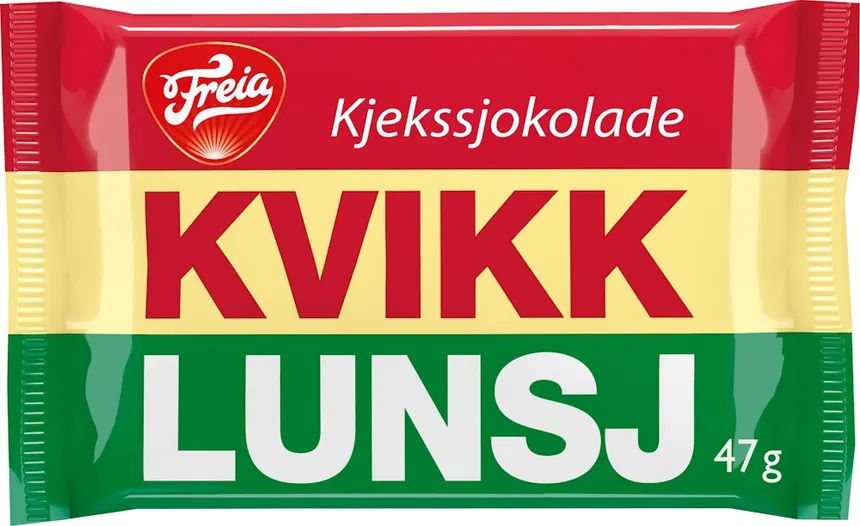
Picture of “Kvikk Lunsj” bar, translated to “Quick Lunch”
For a shape to be protected, it must not be dictated solely by the functionality of the product itself, Nestle argued that design had acquired distinctive character through its iconic status as a KitKat bar and through its long-standing use. Following this, Cadbury countered, arguing that the shape was inherently linked to the product’s function as it was a shape that made the bar easy to break and share, resulting in the design being its functionality. The case was initially rejected by the UK Intellectual Property Office (UKIPO), which was appealed to the European Court of Justice (ECJ), and finally sent back to the UK courts, where it was rejected again. Below, the reasons for these decisions are outlined.
The European Court of Justice Decision
It was ruled by the European Court of Justice in 2016 that the KitKat bar could not be registered as a trademark due to multiple factors. The first was that the ECJ found the bar to lack distinctiveness concerning the shape of the bar itself, as it did not distinguish itself from other products and other similar chocolate bars. The second was that Nestle had failed to show that the shape had acquired distinctiveness through long-term use, which, despite KitKat being well known, did not qualify as distinctive enough to warrant a trademark.
The UK Appeal
Following the decision made by the European Court of Justice, the case was transferred back to the UK, where the decision was upheld. The UK Court agreed that a shape can be registered for a trademark under the strict provisions that it is inherently distinctive, which the KitKat bar was not. Furthermore, they agreed that Nestle failed to provide sufficient evidence as their argument that it had acquired distinctiveness through long-term use was insufficient. The UK Court decided this outcome as they stated it was insufficient to show that the shape was widely recognised.
How has this impacted brands when trying to trademark a shape?
This case reinforced the functionality rule in UK and EU trademark law, which states that purely functional shapes can not be registered as trademarks. This reaffirmation helps us understand that if the shape of a product is merely due to serve a practical purpose, it will not be accepted. Furthermore, it also helps set up a precedent for trying to trademark a shape, as now it is harder for businesses to protect the shape of their products, unless they can sufficiently demonstrate that the shape is distinctive and not a result of functionality. This precedent has dramatically affected the food and drink industries, where, most of the time, their shape or design plays a major role in the branding of the product and business. This case has meant that brands must take extra care and be proactive in showing that the shape of their product is not merely functional, but has developed a crucial and sufficient distinctiveness, shown through constant market use.
Conclusion
In conclusion, it is clear to see that Nestle attempted to trademark the KitKat four fingered chocolate bar in an attempt to gain a monopoly on the design, despite it lacking the key requirements needed to be accepted. For starters, the design is not distinctive enough as the design is merely a result of the functionality of the bar, which makes it cheaper and easier to produce. Furthermore, it can also be seen that there are competitor brands such as “Kvikk Lunsj”, who have been selling a similar product since 1937.
The decision made by the European Court of Justice regarding the lack of distinctiveness is understandable, as I believe that KitKat did not distinguish the four-fingered chocolate bar from other competitors. Initially, I was unsure whether I agreed with the decision that Nestle has failed to acquire distinctiveness through long-term use, because Nestle has been creating and selling chocolate bars for many years. However, after researching further into the argument of functionality presented by Cadbury, it can be strongly argued that the design of the KitKat, easily snappable and shareable, is a result of cheaper and easier manufacturing, not as a conscious decision to gain distinctiveness.