Skip to content
Introduction
The UK Supreme Court in Lifestyle Equities CV & Anr v. Ahmed & Anr [2024] UKSC 17 addressed critical issues regarding the liability of company directors for trade mark infringement. The judgment provides clarification under the circumstances in which directors can be held personally liable for their company’s infringing actions, particularly focusing on the necessity of knowledge or intent.
Background
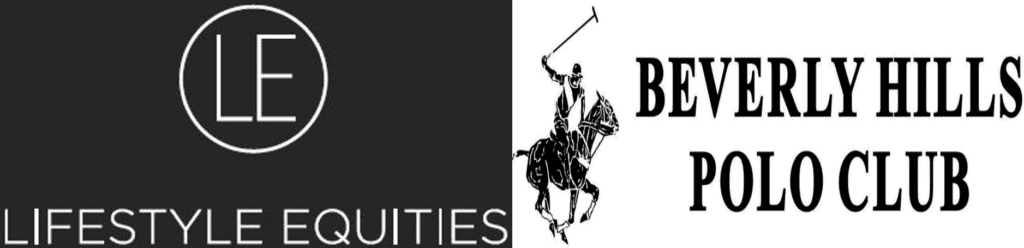
The case concerned claims made by Lifestyle Equities, which owns the “Beverly Hills Polo Club” trade marks, against Ahmed and his sister Bushra Ahmed, who were directors of two companies trading under the name “Juice Corporation”. Juice Corporation was found to have infringed Lifestyle’s trade marks by using similar logos and names, specifically “Santa Monica Polo Club”. The central issue was whether the Ahmeds could be held personally liable for the infringements committed by their companies.
Decisions of the Lower Courts
The initial trial found Hornby Street (one of the Ahmed’s companies) liable for trade mark infringement under sections 10(2) and 10(3) of the Trade Marks Act 1994, and for passing off. Later proceedings determined that the Ahmeds were jointly and severally liable with both their companies for these infringements. The judge awarded an account of profits, providing a portion of the profits from the infringing activities directly to the Ahmeds based on their roles as directors and salaries.
The Court of Appeal also agreed with the lower courts and upheld the findings regarding liability and personal profit accounting but allowed a reduction in the amounts due to deductions for income tax and rejected the inclusion of a loan as part of the profits for which Mr. Ahmed was accountable.

Supreme Court’s Analysis
The Supreme Court focused on two primary issues: the liability of the Ahmeds as directors without a finding of knowledge or intent, and the appropriateness of ordering an account of profits from the infringements.
1. Liability of Directors
The court affirmed that liability for trade mark infringement under sections 10(2) and 10(3) of the Trade Marks Act 1994 is strict, meaning it does not require proof of knowledge or intent. However, the Court scrutinised whether this strict liability extended to directors personally when acting in their roles as directors within their companies.
The Court concluded that mere corporate position or involvement in infringing activities does not automatically impose personal liability on directors. The crucial factor is whether the director personally “used” the infringing marks during the course of trade, which involves a commercial activity in pursuit of obtaining a commercial advantage. The Court highlighted that personal liability would require clear evidence of the director’s direct engagement in the infringing acts, beyond their role as directors.

2. Account of Profits
On the issue of accounting for profits, the Supreme Court upheld the principle that directors can be ordered to account for profits they personally made from infringing activities. This remedy aims to strip wrongful gains rather than penalise. The Court supported the lower court’s method of calculating profits by attributing a percentage of the directors’ salaries to the infringing activities and deducting income tax, which is a fair and reasonable approach to determining unjust enrichment.

Conclusion
The Supreme Court’s decision in this case provides crucial guidance on the scope of director liability in trade mark infringement cases. It establishes that while strict liability for infringement does not generally extend to directors, they can be personally liable if it is proven that they actively participated in the infringing activities. This judgment reinforces the importance of distinguishing between corporate and personal actions in attributing liability and ensures that directors are not unjustly held liable without clear evidence of their direct involvement in infringing acts.
This decision is a significant development in trade mark infringement, offering clearer boundaries for corporate and personal responsibilities, and will undoubtedly influence future cases involving director liability in future trade mark infringement cases.
If you have any queries related to the above or an alternative matter, contact our expert team of solicitors through:
tmr@trademarkroom.com OR alternatively give us a call on 02380 000190.